




For decades, the sound of temple bells and prayers has remained a familiar part of Malaysia’s multicultural landscape. From centuries-old temples tucked within growing townships to smaller places of worship built by generations of local communities, these spaces have always carried stories far beyond religion.
They are places where traditions survive, where communities gather, and where cultural identities are passed from one generation to another.
Yet, behind many of these sacred spaces lies a complicated reality, one involving land ownership, missing documentation, unclear records and administrative challenges that have continued for years.
As Malaysia prepares a renewed framework through the Draft Planning Guidelines for Non-Muslim Houses of Worship, known as RIBI, stakeholders believe the guidelines could provide a clearer path forward for temples seeking recognition, stability and long-term sustainability.
But the question remains: can a new framework finally address issues that have been decades in the making?
The challenge faced by many temples is rooted in history.
Some were established long before surrounding areas underwent rapid development. They grew together with communities, often operating through informal arrangements during a time when documentation requirements were less structured.
However, as urban landscapes changed and land matters became more regulated, many temples found themselves facing difficulties proving their legal standing.
Datuk RS Mohan Shan, Vice President-1 of Malaysia Hindu Sangam, said one of the biggest obstacles is the absence of proper historical records.
“The challenge is getting the actual documents — when the temple was built, evidence that we can bring to the authorities and provide details regarding the history of the specific temple.”
For temples that have existed for generations, the issue is not whether they have served their communities, but whether they have the paperwork to support their history.
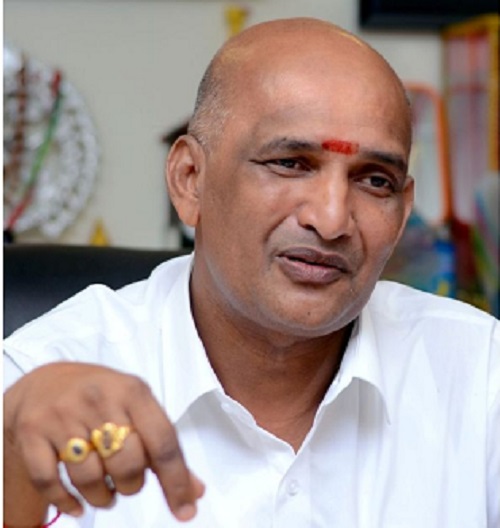
Datuk RS Mohan Shah, Malaysia Hindu Sanggam
Changes in temple committees over the years have also contributed to missing records, creating further difficulties when committees attempt to resolve land or registration matters.
Recognising that each temple faces different circumstances, Hindu organisations began efforts to map the challenges and understand the level of assistance required.
Through the National Temple Steering Committee, temples were categorised according to their current situation, allowing stakeholders to distinguish between those with fewer concerns and those requiring more urgent intervention.
Datuk Mohan Shan said the exercise was important because solving temple issues requires understanding the specific challenges faced by each institution.
“The problems are not the same. Some temples have land issues, some have documentation problems, and some need guidance in governance,” he said.
However, understanding the issue on paper is different from understanding it on the ground.
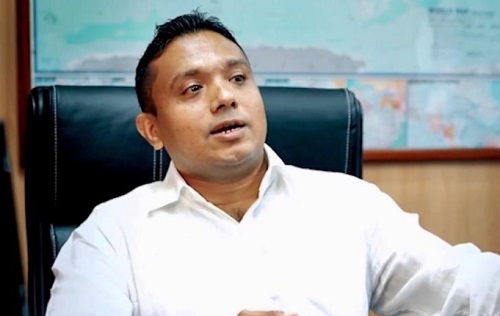
Datuk N Sivakumar, MAHIMA
For MAHIMA president Datuk N Sivakumar, direct engagement with temple committees was necessary because every state carries its own unique challenges.
Through a series of nationwide roadshows, MAHIMA met temple representatives to understand their concerns firsthand.
“Sometimes it is a private land issue, sometimes a FELDA issue, and that is why we need to go to different places. Only by going there can we understand the actual problems faced by temples,” he said.
The engagement also created opportunities for temple committees to seek guidance and connect with relevant organisations that could assist them.
In Selangor, where rapid development has transformed many areas, the challenge lies in balancing urban growth with preserving long-established places of worship.
State Executive Councillor V Papparaidu said some temples existed even before surrounding areas developed into modern townships.
“Some temples have been there for 100 or 200 years. What we are trying to do is help them make it proper and legally owned land for them,” he said.
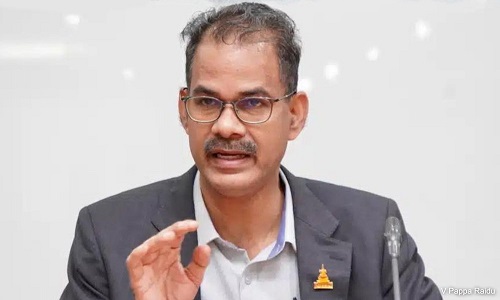
YB V Paparaidu, EXCO Selangor
However, he stressed that responsibility must also come from temple committees themselves.
Welcoming the introduction of RIBI, he urged temples to comply with regulations to prevent the same issues from affecting future generations.
“What about 100 years from now? We cannot take things for granted anymore,” he said.
While government support and community initiatives play a role, legal experts emphasise that documentation remains the foundation of protecting religious institutions.
Lawyer Bani Prakash R Lachumaya said the existence of a temple does not automatically translate into ownership of the land.
“In this country, everything goes by documents,” he said.
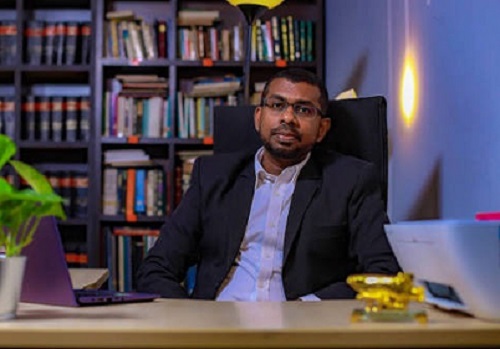
Bhani Prakash, Lawyer
He added that temples must maintain proper records, including registration details, committee records, historical documents and financial information.
For him, good governance is not simply about compliance, it is about protecting the future.
The introduction of RIBI represents an opportunity to move away from uncertainty towards a more structured approach for non-Muslim houses of worship.
But resolving decades-old challenges will require more than guidelines alone.
It will require cooperation between government agencies, state authorities, religious organisations, legal experts and temple committees working towards a common goal.
Because a temple is never just a building.
It is a reminder of a community’s journey, a keeper of heritage and a symbol of faith carried across generations.
And through RIBI, stakeholders hope these sacred spaces can continue standing, not only as places of worship today, but as protected legacies for tomorrow.
Article By:
Thivyah Vegan John
Astro Audio News


